Written by: Alla OLIFIRENKO
Project Assistant Professor, GSID, Nagoya University
Commentary by: Tomoko ISHIKAWA
Professor, GSID, Nagoya University
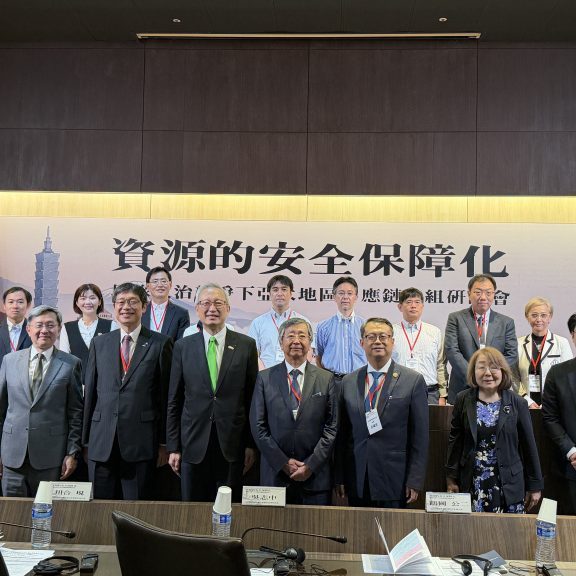
On 28 August 2026, the symposium “Securitisation of Resources: Supply Chain Restructuring amid Geopolitical Competition in the Asia-Pacific” was held at the Institute of Diplomacy and International Affairs in Taipei, Taiwan.
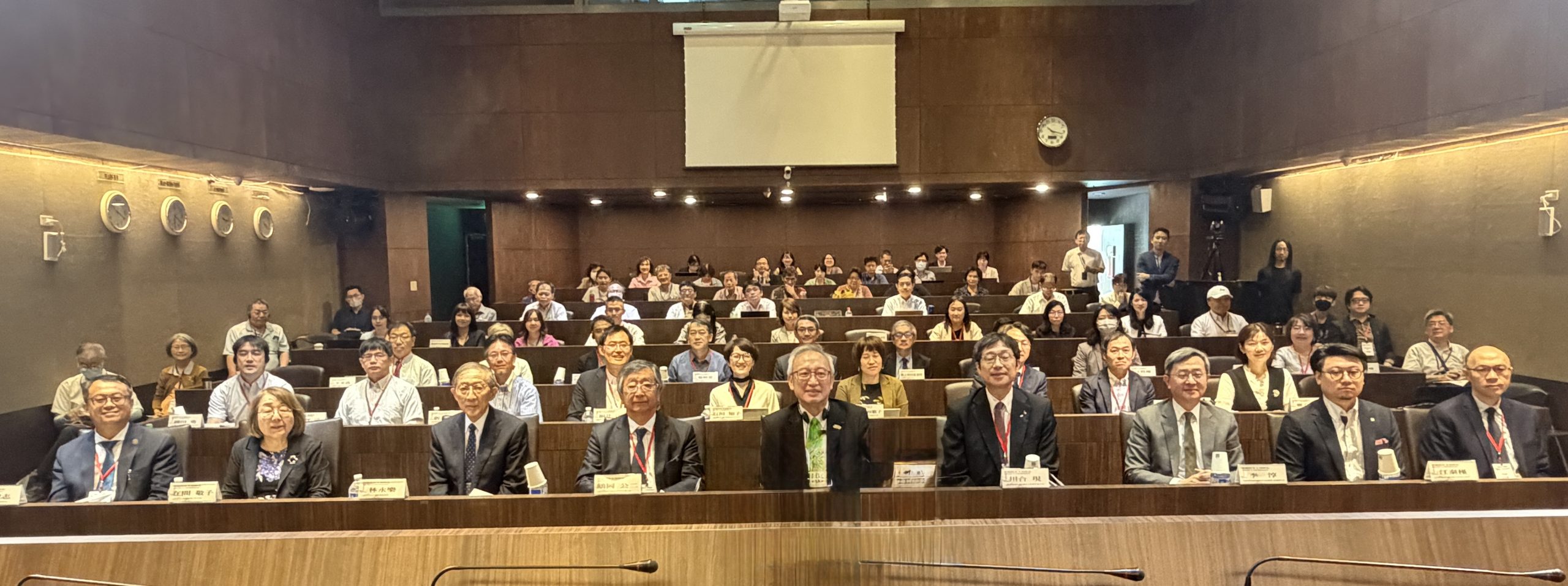
The symposium was organised by the Institute of Diplomacy and International Affairs of the Ministry of Foreign Affairs, the Department of Industrial Technology of the Ministry of Economic Affairs of Taiwan, and the Chung-Hua Institution for Economic Research (CIER), and co-organised by the H2Governance project.
The event brought together researchers, government representatives, and practitioners from Japan and Taiwan, and discussed supply chain organisation in the Asia-Pacific region amidst the growing international tensions and competitiveness, rapid changes in the global technological development landscape, and the growing urgency of the climate change-related threats. Among other topics, the discussion touched upon the topics of critical resources, emerging clean energy technologies, semiconductors, and their significance in the cooperation between Japan and Taiwan, which is deepening, despite the tensions in the region, around the shared democratic values and the goals of ensuring greater economic security and resilience.
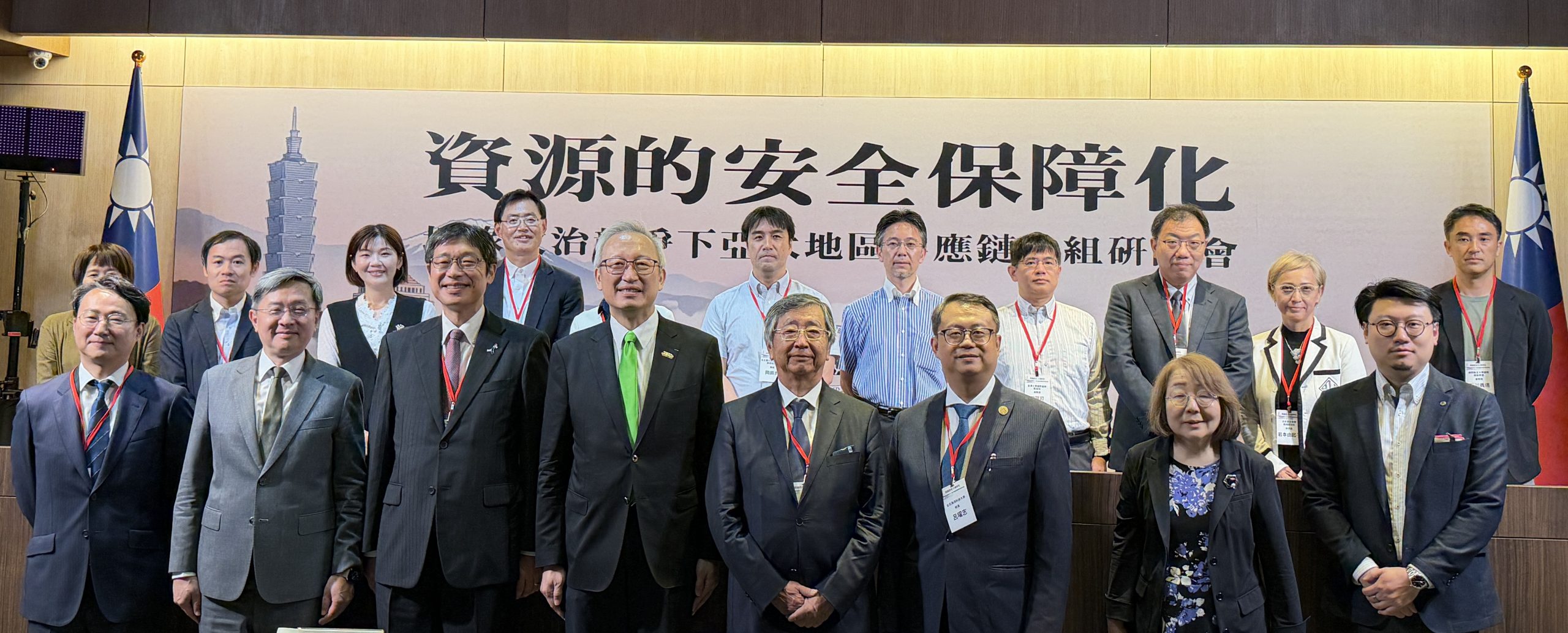
In the opening session, Taiwan’s Vice Minister of Foreign Affairs François Chihchung Wu emphasised the close connection between the security and prosperity of Taiwan and Japan. Gen Kawai, Deputy Representative of the Taipei Office of the Japan-Taiwan Exchange Association, highlighted the increasing need for governments and the private sector to diversify sources of critical materials and energy.
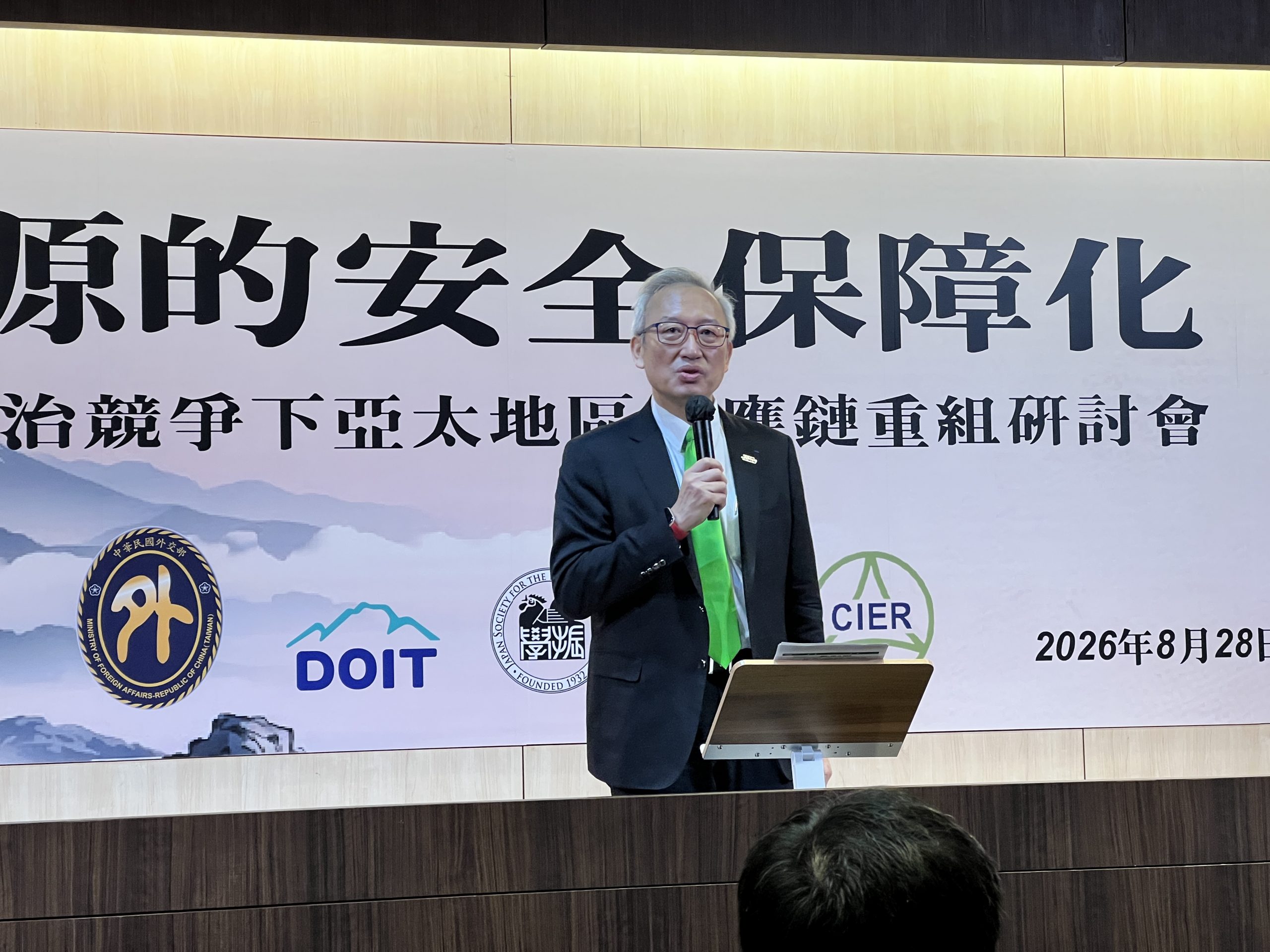
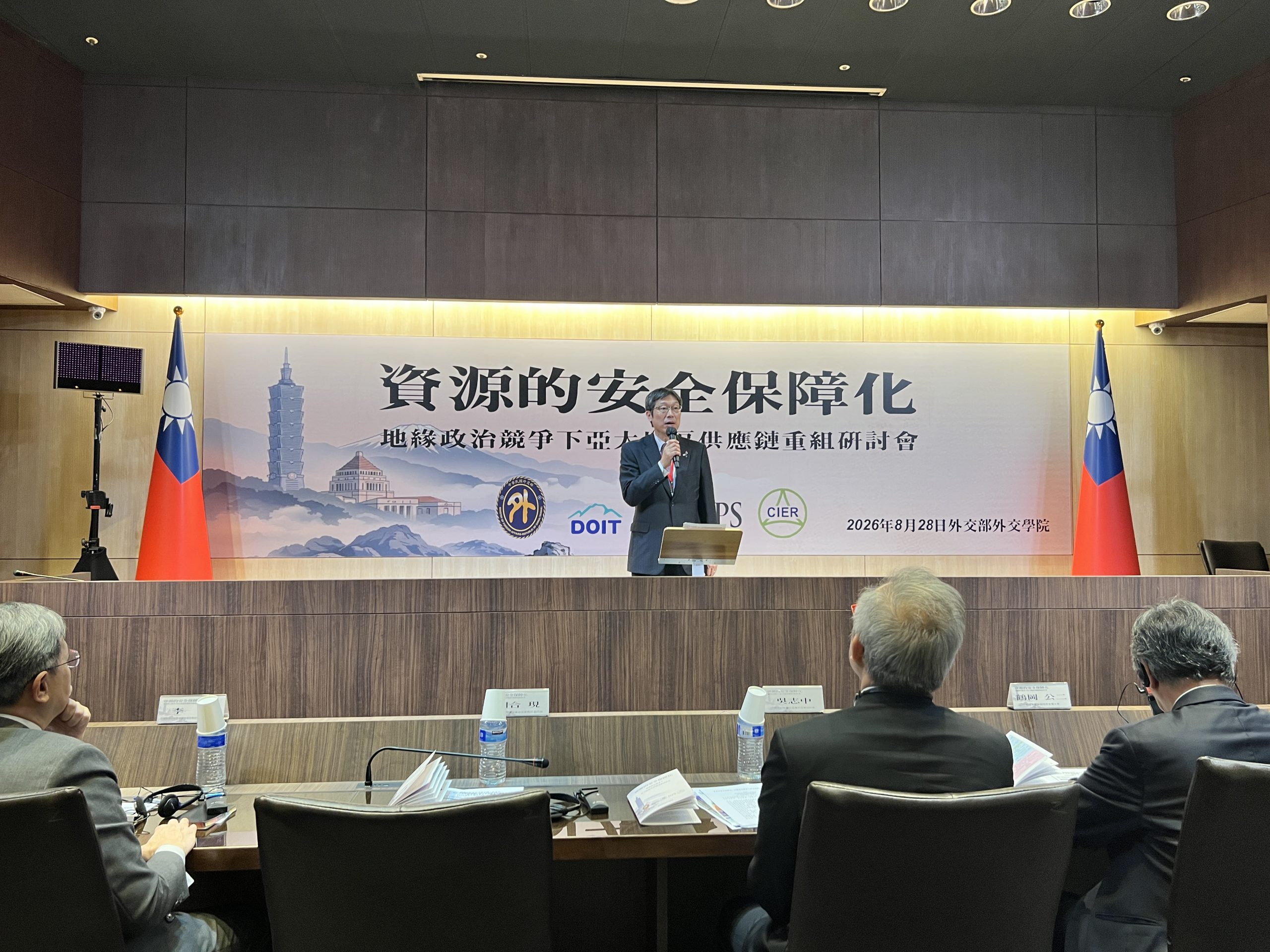
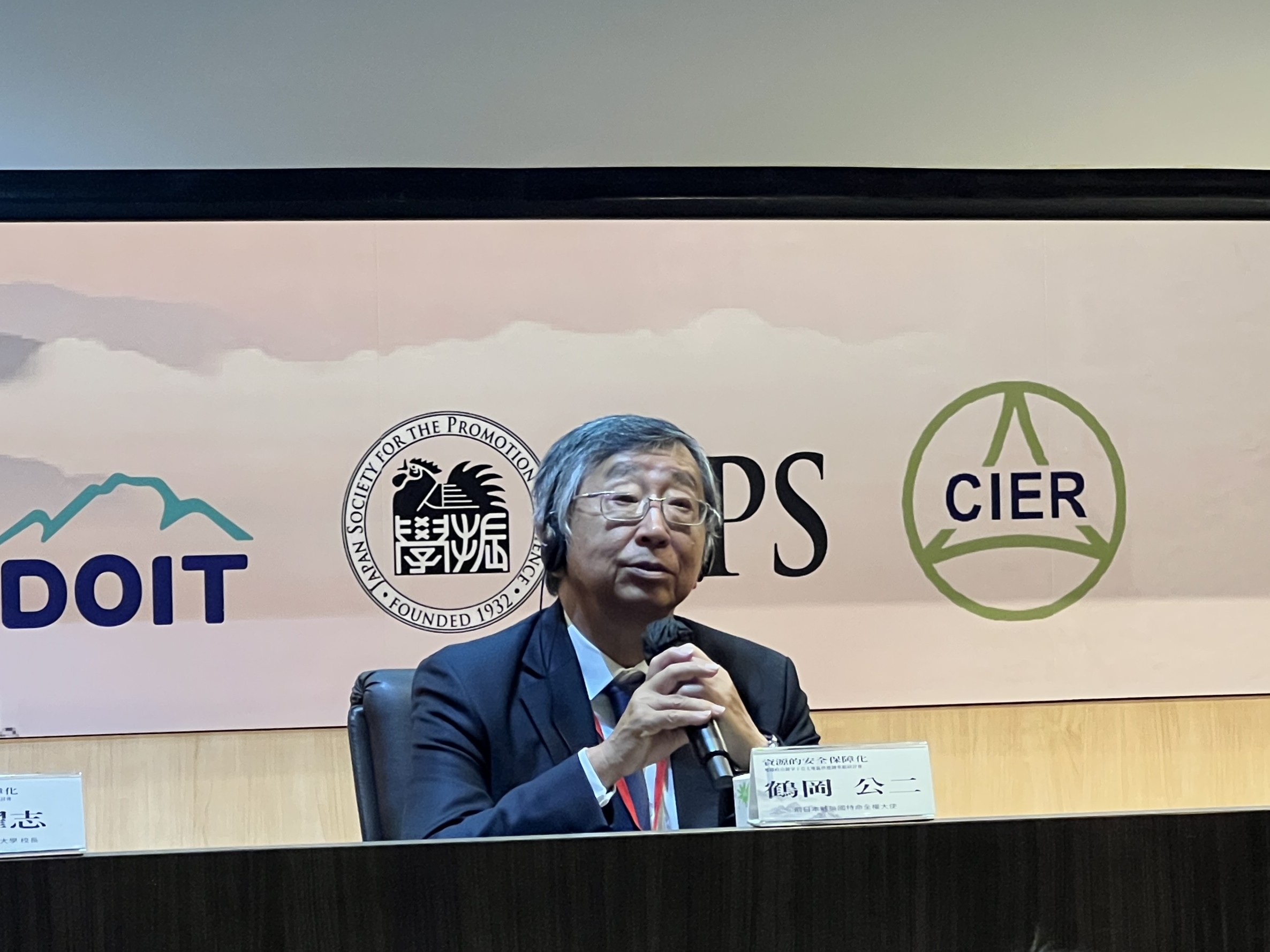
The two keynote addresses were delivered by Koji Tsuruoka, former Ambassador of Japan to the United Kingdom, who spoke about Japan’s approach to overcoming economic security challenges, and Roy Chun Lee, Senior Deputy Executive Director at the CIER’s Center for International Economic and Trade Policy, who emphasised the need to diversify the supply of critical materials, while continuing to maintain the established relationships with existing suppliers.
In the subsequent sessions offered an opportunity for the speakers from political, economic, technological, legal, and corporate fields to share their own perspectives.
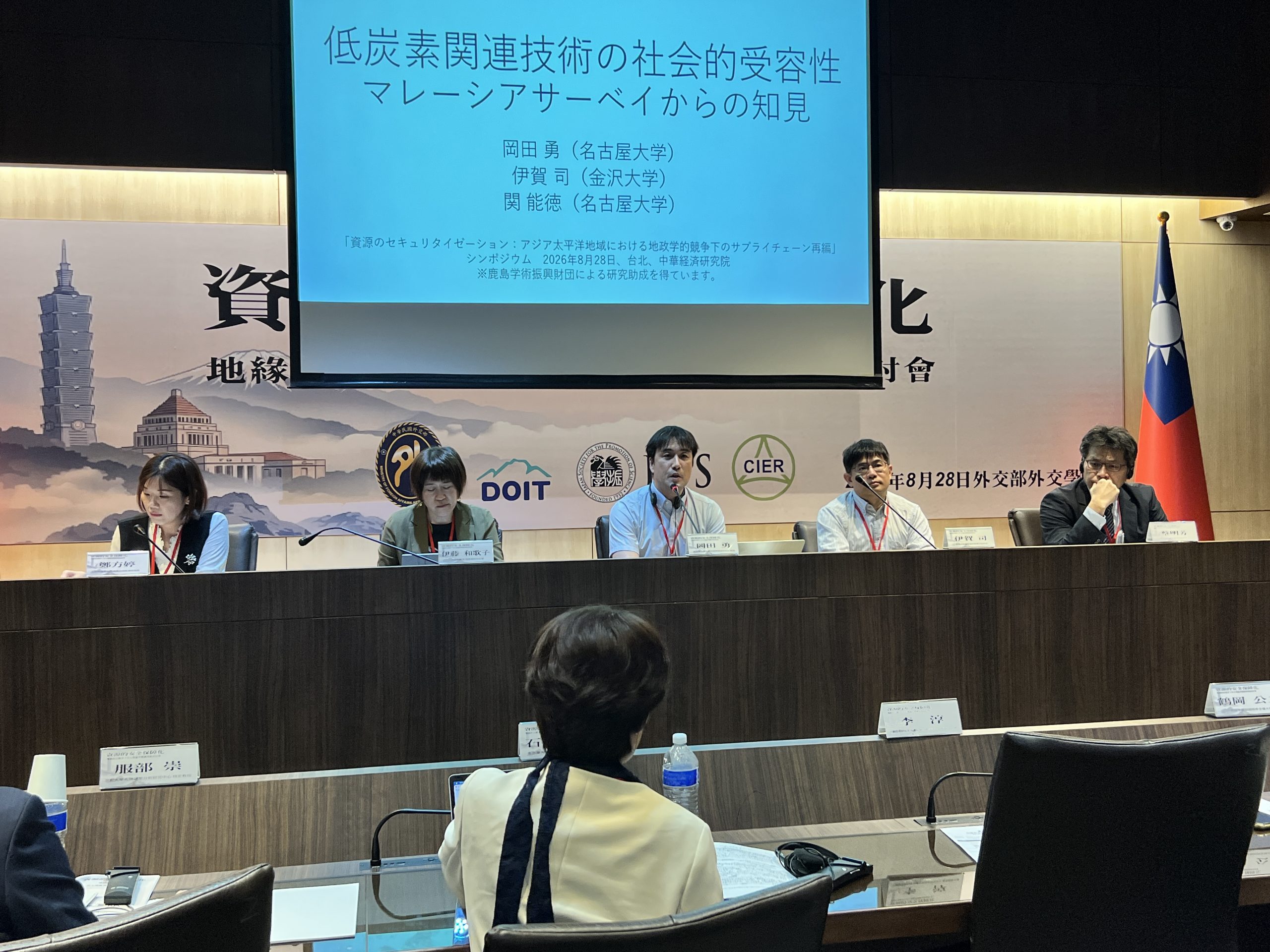
The first panel, “Policy and Economics” (Chair: Dr Fangting Cheng, Senior Research Fellow, IDE-JETRO), discussed China’s hydrogen strategy (Dr Wakako Ito, Executive Director, The Japan Forum on International Relations), the social acceptance of low-carbon technologies in Malaysia (Professor Isamu Okada, Nagoya University, and Associate Professor Tsukasa Iga, Kanazawa University), and Taiwan’s economic security challenges in the context of supply chain re-structurisation (Professor Mingfang Tsai, Tamkang University).
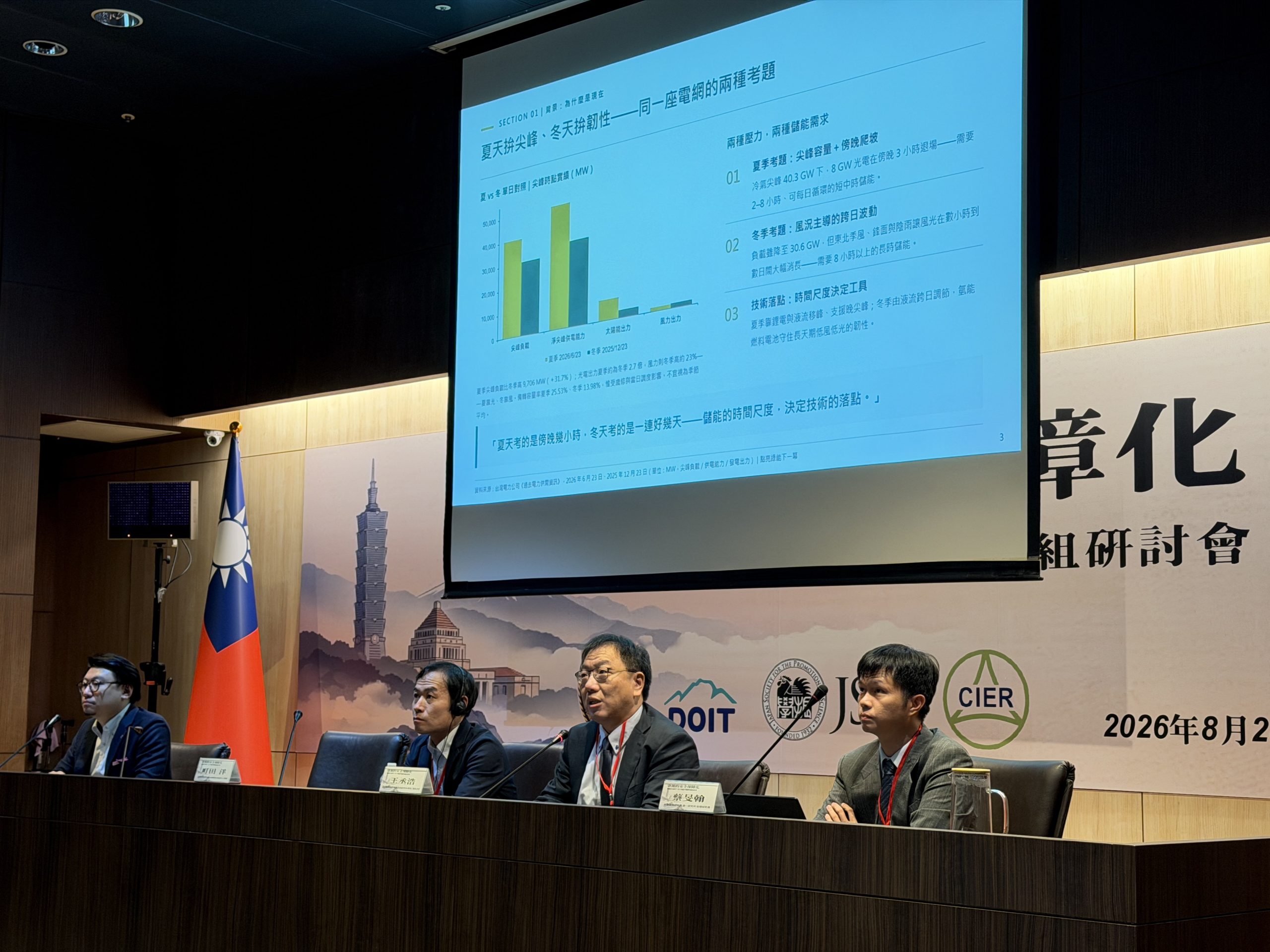
The second panel, “Technology and Intellectual Property” (Chair: Professor Taichin Chiang, Director, CIER Japan Center), addressed emerging hydrogen technologies (Professor Hiroshi Machida, Nagoya University), next-generation energy storage (Professor Chenhao Wang, Vice Dean, National Taiwan University of Science and Technology), the EU Carbon Border Adjustment Mechanism, and its influence on Taiwan’s carbon-pricing strategy (Dr Minghan Tsai, Assistant Research Fellow, CIER First Research Division).
The third panel, “Supply Chains, Business, Management and Investment” (Chair: Dr Chunyen Wu, Assistant Research Fellow, CIER Second Research Division), focused on institutional design for clean-hydrogen markets in Asia (Associate Professor Yoshimichi Ishikawa, University of Shizuoka), business continuity planning and societal resilience (Yukiko Iwamoto, Research Fellow, Institute for International Strategy and Information Analysis), and the issues of standardisation related to technology, intellectual property, and AI-related risks (Dr Yushung Wang, Deputy Director, CIER Economic Law Research Center).
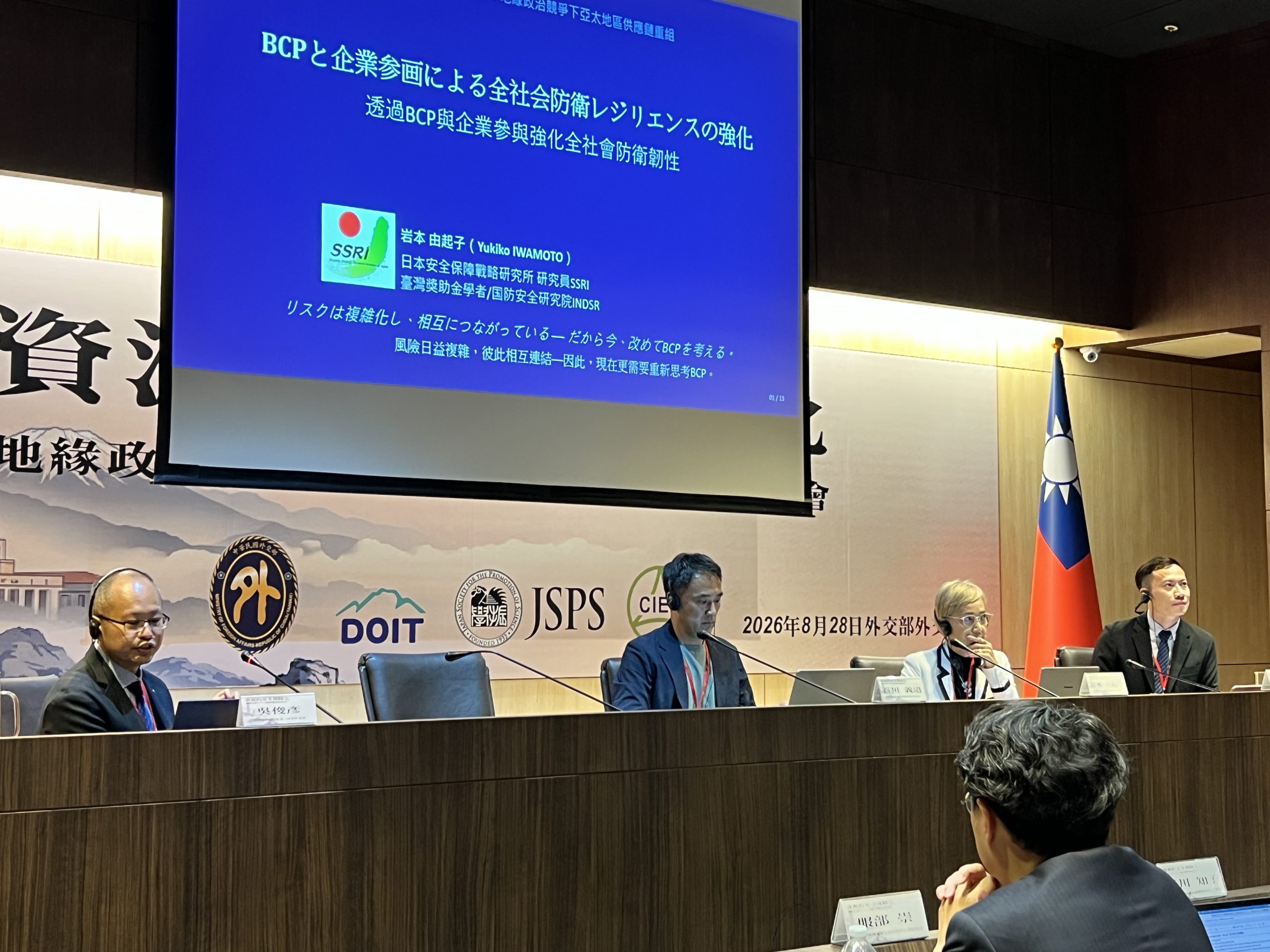
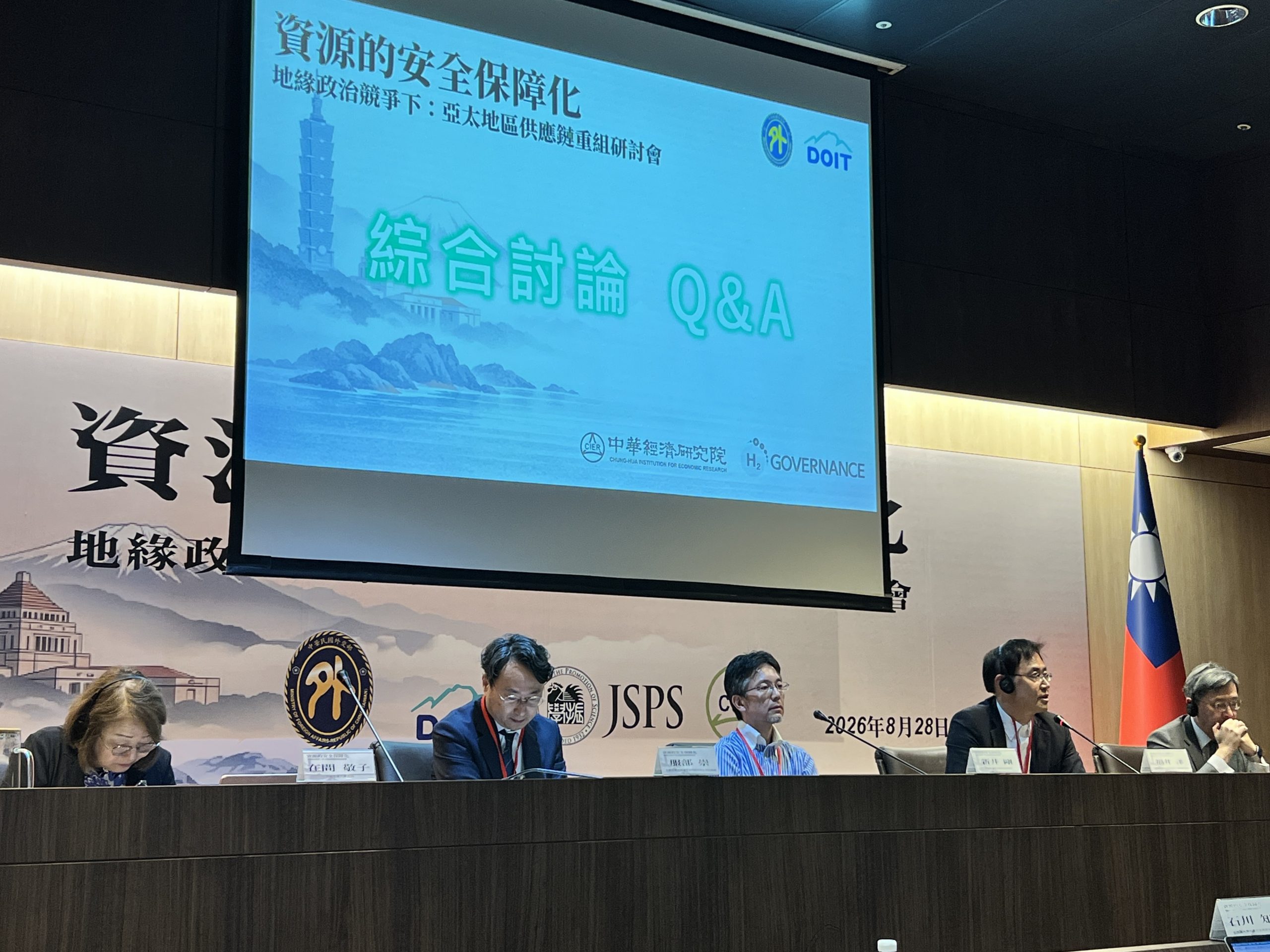
Drawing together the discussions held throughout the day, Tomoko Ishikawa, the Principal Investigator of the H2Governance project, offered the following reflections in her closing remarks:
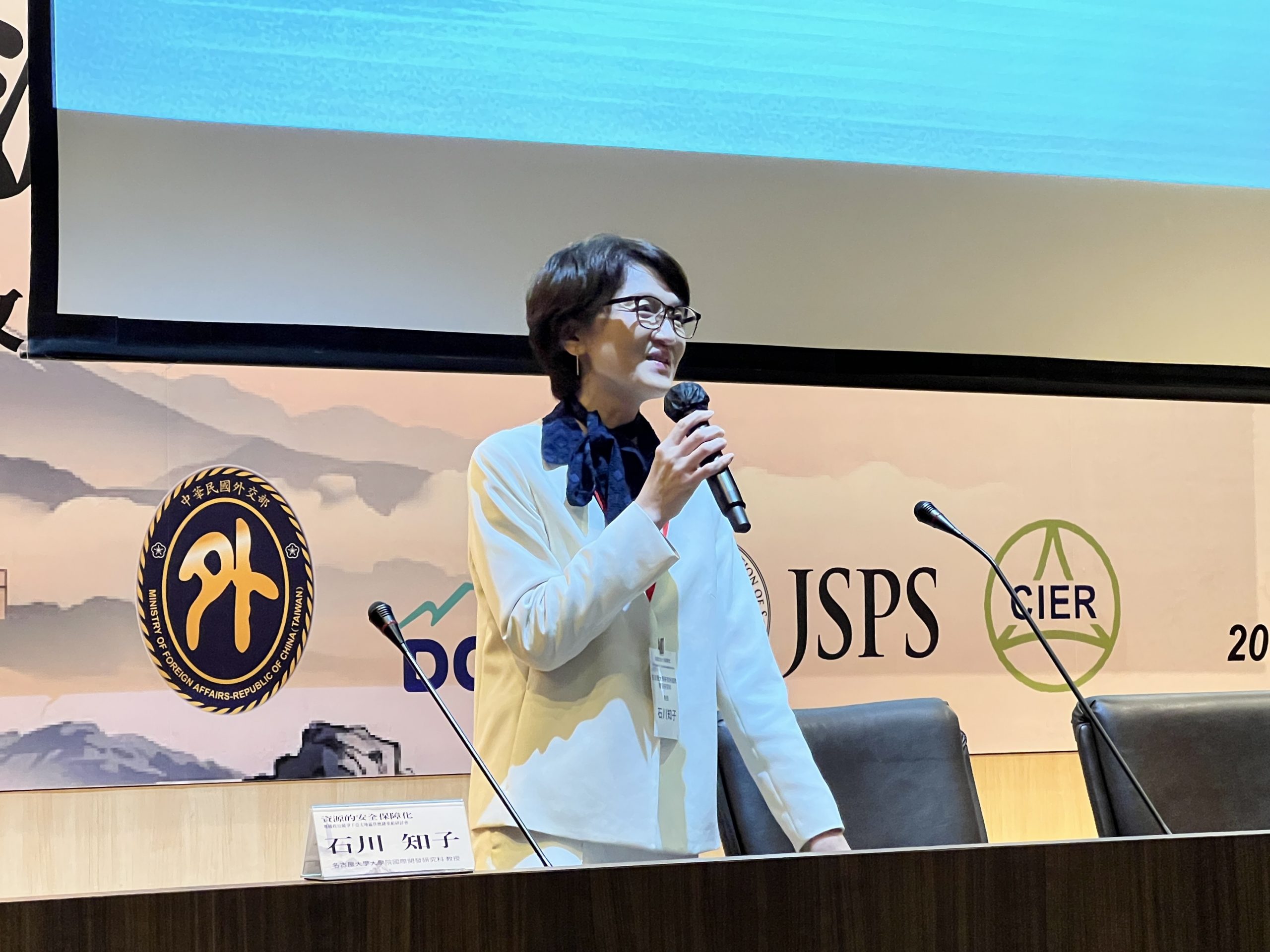
“One key insight emerging from today’s discussion is that, amidst the energy transition and rapid advancements in AI technology, it has become impossible to separate security considerations from policies such as decarbonisation and standardisation.
Regarding the energy transition, decarbonisation is not merely a shift to clean energy; it is generating a new form of competition – amidst geopolitical tensions – over who controls technology, resources, manufacturing capabilities, and supply chains. Today’s discussion clarified that current events should not be viewed simply as a retreat from globalisation toward protectionism, and that our challenge is not a binary choice between the two. It highlighted the importance of resource-importing nations – including Japan and Taiwan – treating supply chains as a matter of security rather than leaving them entirely to market forces, and consequently strengthening domestic production, procurement from friendly nations, and public support for overseas investment.
Furthermore, the discussion shed light on various challenges: cross-border trade policies implemented by major powers – such as the "Trump tariffs" and the Carbon Border Adjustment Mechanism (CBAM) – are inextricably linked to industrial policy, requiring companies to formulate corresponding strategies; and the importance of Business Continuity Plans (BCP) as a safeguard against external crises was underscored. Data also demonstrated that public trust in business operators plays a decisive role in the implementation of energy policies.
At the same time, we are witnessing a shift where resource-rich nations are moving beyond the simple export of raw materials; instead, they are seeking to process resources domestically, acquire technology, create jobs, and retain greater value-added within their own borders. Export restrictions on critical minerals are rising sharply, and this trend is not limited to a few nations – such as China – that engage in economic coercion. In short, what we are witnessing today is a phenomenon where states intervene in markets: resource-importing nations citing "economic security" or "national strategic interests," and resource-exporting nations using resources not only as a tool for economic coercion but also as an essential means for their own sustainable development, aiming to control their resources and expand domestic value-added activities. For developing nations, intervention in supply chains is not merely protectionism; it is also an attempt to break away from the traditional model of exporting raw materials while importing high-value-added products.
Current international market rules – including WTO law and international investment law – evolved against the backdrop of the globalisation era’s philosophy: that liberalising cross-border trade, protecting foreign investment, and regulating state-imposed barriers and interventions would lead to economic prosperity.
However, as confirmed in the discussion, what is sought today is not necessarily the "most efficient global supply chain," but rather one that is secure, resilient, and reliable – and one that retains a certain level of value within the domestic economy.
This creates a potential tension with existing international law.
Faced with this phenomenon, the question confronting us – in a world where globalisation itself is becoming increasingly deeply integrated – is how to reconcile security, decarbonisation, sustainable development, and the policy autonomy of resource-rich nations with an open international economic order.
I would like to emphasise that the current supply chain crisis does not merely generate conflict between resource-exporting and resource-importing nations. The urgent need for resource-importing nations to diversify their supply chains also opens possibilities for new forms of international cooperation – such as the potential to build more equitable resource partnerships that encompass domestic processing, technology transfer, and research and development. Today’s discussion highlighted the tensions arising from the securitisation of resources. But at the same time, it presented us with the next challenge: how to establish new rules for cooperation that encompass states, corporations, and civil society.”
The members of the H2Governance project sincerely hope that the new ideas and friendships born at the symposium will further deepen the long-standing bond between Japan and Taiwan and lead to broader cooperation across the Asia-Pacific region. We would like to express our heartfelt gratitude to the speakers and everyone who participated in the lively discussions, and to all those who worked so hard to organise this conference.
We are eagerly waiting for new opportunities to engage in such fruitful discussions.