Welcome to the website of the research project “Building Climate Change Governance through Multistakeholder Cooperation: The Case of Low-Carbon Hydrogen Projects”. This project is supported by the Topic-Setting Program to Advance Cutting-Edge Humanities and Social Sciences Research: Co-Creation of Academic Knowledge, JSPS.
What's New
Taiwan Symposium 2026 EN
Symposium “Securitisation of Resources: Supply Chain Restructuring amid Geopolitical Competition in the Asia-Pacific ” was co-organised by the H2Governance project, together with Taiwan’s Ministry of Foreign Affairs, Ministry of Economic Affairs, and the Chung-Hua Institution for Economic Research (main organiser). The symposium was featured in a news report by Taiwan Public Television Service (PTS).
東田啓作編著… EN
Keisaku Higashida (ed.), "Economic Analysis of Greenwashing / Kwansei Gakuin University Industry Research Series 49" was published by Chuo Keizai-sha in March 2026.
ADBI Seminar
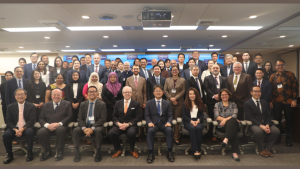
On 20-21 April 2026, project members took part in the Second Alternative Dispute Resolution Policy Dialogue: Institutionalizing Mediation and Strengthening ISDS Management Systems, organised by Asian Development Bank Institute.
Rajesh SHARMA presented at Session 3: Mediation in State-to-State Disputes, and moderated Session 4: Prevention of Investor-State Disputes. Tomoko ISHIKAWA participated in the Panel Discussion of Session 7: Management of Arbitration and Building Sustainable ISDS Management Systems.
Mauritius Presentation
Tomoko Ishikawa and Rajesh Sharma spoke at the Mauritius Bar Association Conference 2025, 'Anchoring Mauritius as the Legal and Financial Gateway to Africa', participating in the panel 'Independence and Integrity of Adjudicators vs. Law Practitioners'. They also introduced the revised Mediation Rules and the Protocol on Climate-Change Dispute Mediation.

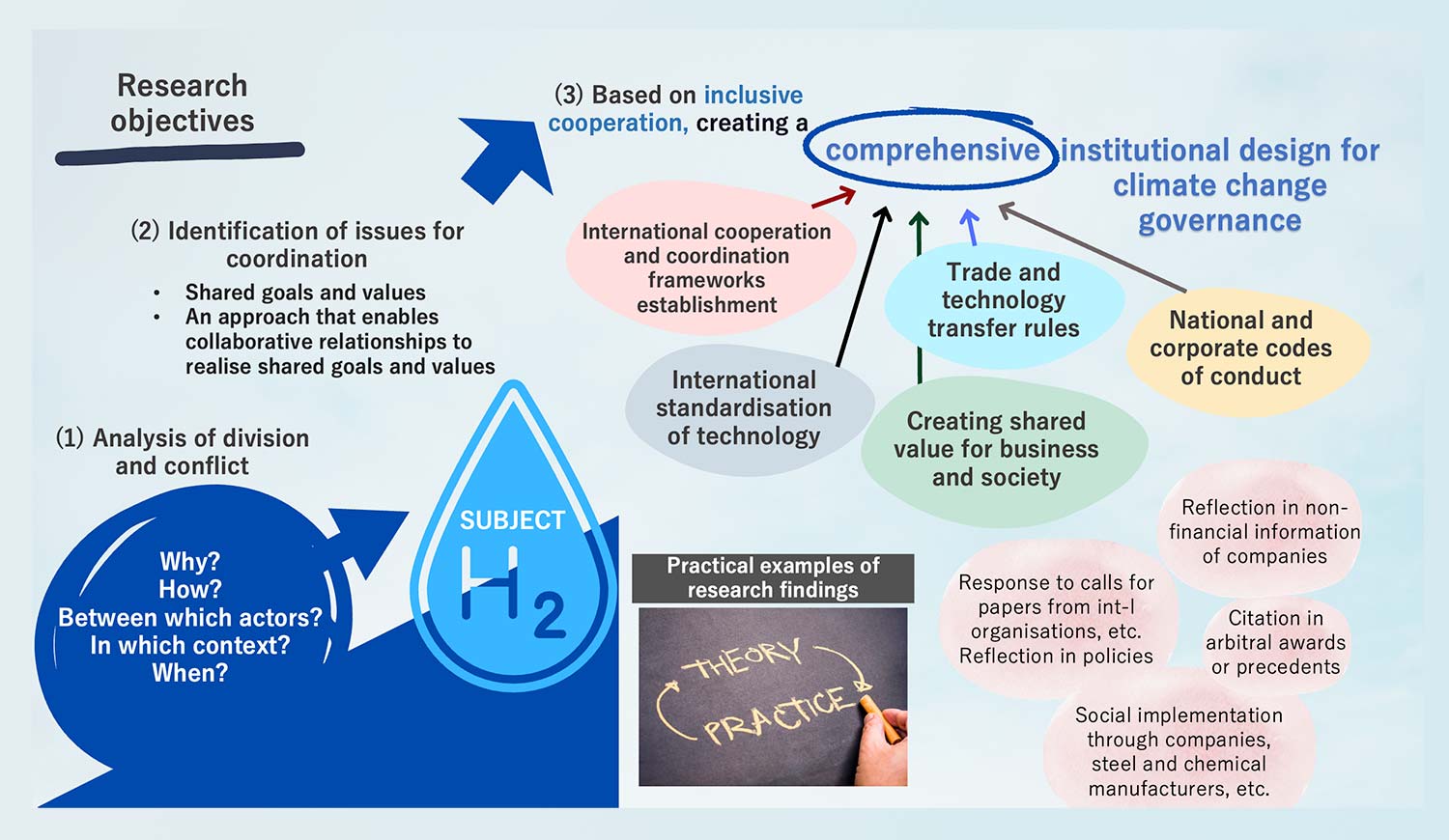
Positing that disagreements between diverse actors have hindered effective climate change mitigation measures, our multidisciplinary study aims to propose ways to overcome division and fragmentation in climate change governance. Focusing on low-carbon hydrogen projects, we present ways of building effective and sustainable climate change governance through multi-stakeholder cooperation. In this study, experts from law, political science, economics, business administration, and chemical engineering collaborate in investigating climate change governance from the following five perspectives:
-
Climate Change and International Politics;
-
Climate Change and Trade;
-
Corporate Climate Responsibility and Civil Society;
-
Climate Change and Corporate Management;
-
Climate-change-related Technologies and CC(U)S.
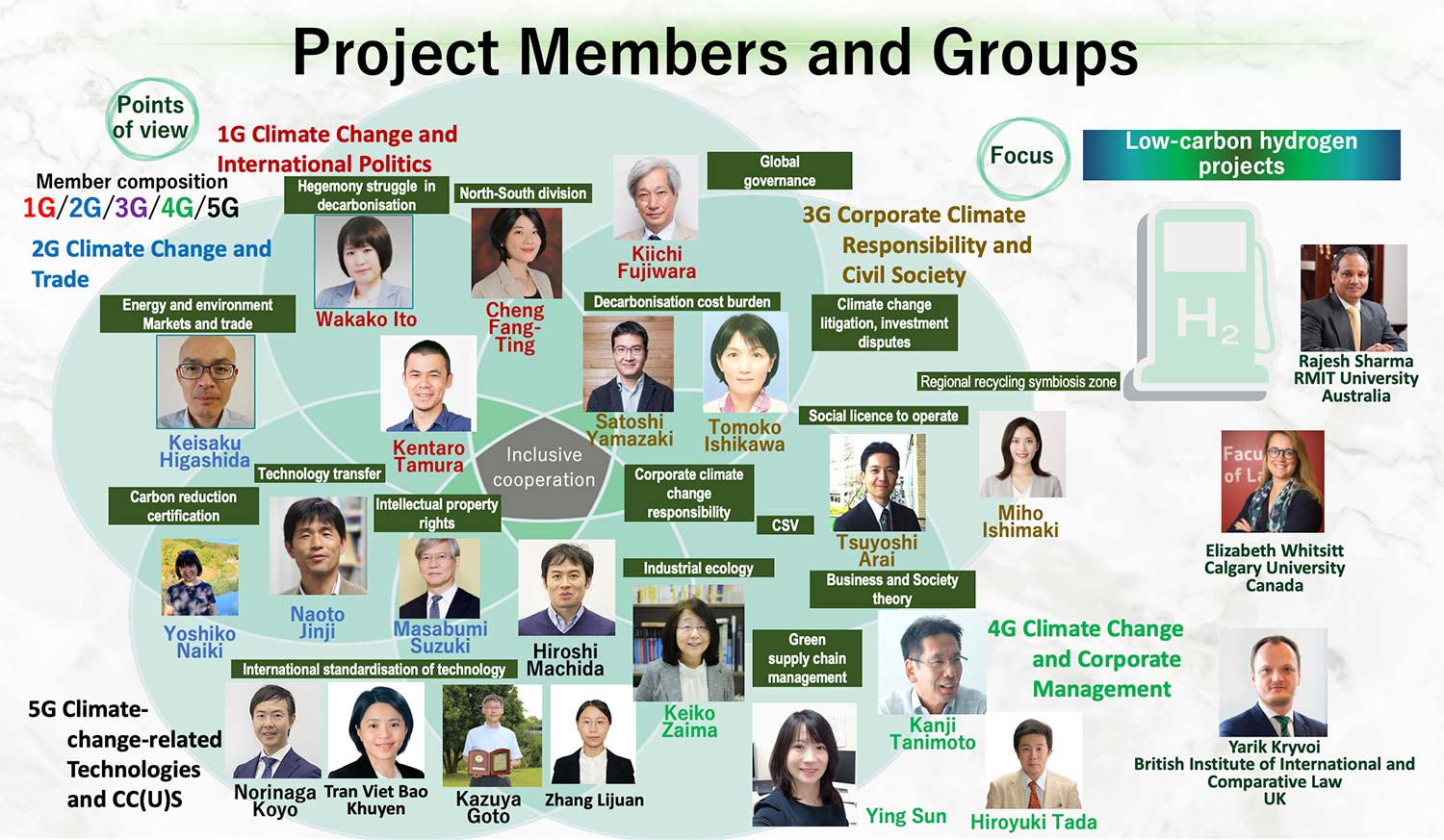
We aim to propose a comprehensive institutional design that fosters inclusive cooperation between various stakeholders such as states, business, NGO‘s, citizens, and experts, focusing on low-carbon hydrogen projects. This design encompasses the issues of low-carbon hydrogen certification standards, trade and technology transfer rules, codes of conduct for countries and companies, models for shared value creation, and the international standardization of technology.